
English| EUR
Suggested for you
More currencies
Choose a language
The journey from Tokyo to Mount Fuji's primary climbing access point varies by route and season. Most visitors heading to Fuji Subaru Line 5th Station face a 2.5-hour journey under normal conditions, though summer weekends and holiday periods add significant time. Understanding the variables that affect your travel window helps you arrive during the optimal early-morning climbing hours.
Quick answer
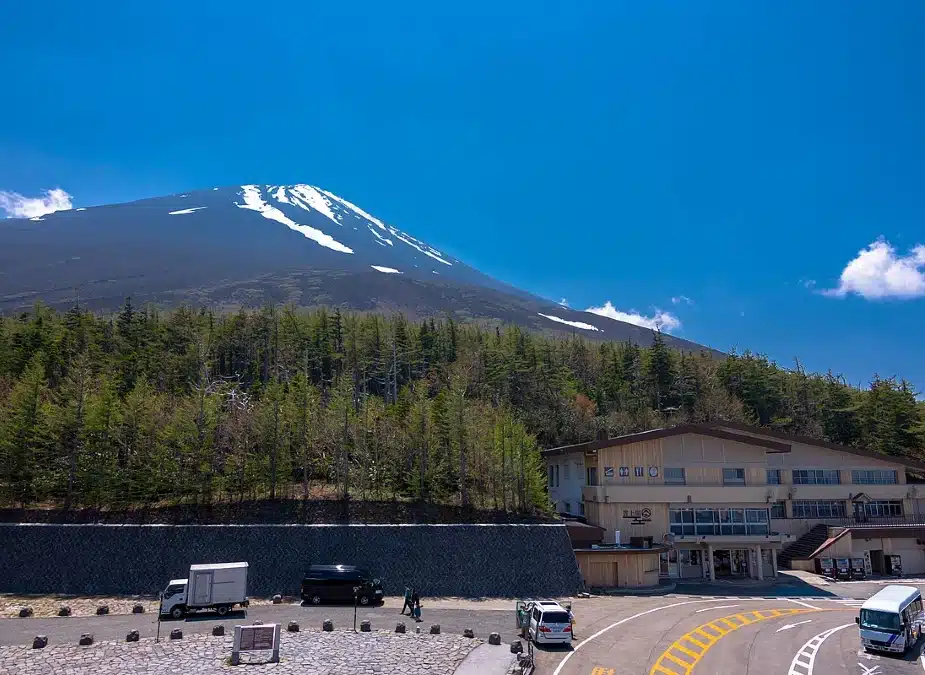
Tokyo to Mt Fuji travel time typically takes 2 hours 30 minutes by direct bus from Shinjuku Station to Fuji Subaru Line 5th Station, the main trailhead at 2,300 meters elevation. Highway buses depart hourly during climbing season (July through early September) and require reservations. Private vehicle journeys via Chuo Expressway cover roughly 140 kilometers and match this duration in light traffic, though summer weekend congestion can extend the drive to 4 hours.
The Chuo Expressway carries roughly 60,000 vehicles daily toward the Fuji Five Lakes region during peak climbing season, transforming what should be a straightforward 140-kilometer drive into a test of patience. The bottleneck begins at Otsuki Junction, where traffic funnels from Tokyo's sprawl into the narrow mountain corridor leading to Yamanashi Prefecture. Direct highway buses from Shinjuku to the 5th Station became the standard solution after the 2013 climbing season reforms, when authorities began managing trailhead congestion through controlled access. These buses bypass the worst traffic snarls through dedicated departure slots coordinated with the mountain's conservation protocols. The mandatory 4,000 JPY hiking fee gets collected at the station itself, not during the journey, though bus operators often bundle it into package pricing. Train combinations via Otsuki Station add roughly 90 minutes to the total journey compared to direct buses. The JR Chuo Line reaches Otsuki in 70 minutes from Shinjuku, but the Fujikyu Railway local service to Kawaguchiko Station crawls through 26 stops over another hour. From Kawaguchiko, a separate bus climbs the Subaru Line's switchbacks for 50 minutes to reach the trailhead at 2,300 meters. This segmented route makes sense for travelers exploring the lakes region before their ascent, but creates tight connections for those aiming to reach the summit trail by the recommended 03:00 to 08:00 arrival window. Weekday departures between late September and June offer the most predictable tokyo to mt fuji travel time, often shaving 30 minutes off published schedules. The inverse holds true for the Obon holiday in mid-August, when the expressway resembles a parking lot from dawn until mid-afternoon. Experienced climbers departing Tokyo target the 23:00 to 01:00 overnight bus slots, trading sleep for guaranteed arrival before the cloud line rises and trailhead crowds form.
“The bottleneck begins at Otsuki Junction, where traffic funnels from Tokyo's sprawl into the narrow mountain corridor leading to Yamanashi Prefecture.”
Mount Fuji is accessible from central Tokyo via several transport modes, with total travel time heavily dependent on your point of origin and chosen method. Highway buses typically offer the most direct route to the Fuji Subaru Line 5th Station, while trains require transfers to reach the base of the mountain.
Highway Bus from Shinjuku Expressway Bus Terminal to Fuji Subaru Line 5th Station
JR Chuo Line from Shinjuku to Otsuki Station, then Fujikyu Railway to Kawaguchiko Station
Shuto Expressway and Chuo Expressway to Fuji Subaru Line
To minimize travel delays and manage daily crowds, plan your arrival to the Fuji Subaru Line 5th Station within the best arrival window of 03:00–08:00.
The Fuji Subaru Line 5th Station operates on a consistent daily schedule to accommodate visitors traveling from Tokyo. Travelers are encouraged to plan their arrival within the designated operating window.
Complete these steps before departure to minimize delays and ensure a smooth journey from Tokyo to Mount Fuji.
Everything you need to know about tokyo to mt fuji travel time
The tokyo to mt fuji travel time generally depends on your chosen mode of transport, with bus options often taking longer than rail alternatives. Most travelers should plan for a significant portion of their morning to reach the site.
While specific transit speeds fluctuate based on traffic and station transfers, calculating your tokyo to mt fuji travel time helps ensure a smooth ascent. Bus tours offer a direct route, whereas trains require local connections to reach the base.
The best arrival window is between 03:00 and 08:00 to avoid mid-day cloud cover and daily crowds at the trailhead. Arriving early provides the most stable weather for those planning to hike.
Each visitor is required to pay a mandatory hiking and conservation fee of 4,000 JPY per person. This fee supports the preservation of the UNESCO heritage site and trail maintenance.
The facility operates daily from 03:00–14:00. These hours apply throughout the week, allowing early risers to begin their journey before the peak afternoon warmth.
The official location is at the Fuji Subaru Line 5th Station, Fujiyoshida, Yamanashi 403-0005, Japan. This area serves as the primary gateway for climbers heading to the summit.
It is possible to arrive until 14:00, though the best experience for your tokyo to mt fuji travel time involves arriving well before that. Mid-day arrivals often face larger crowds and increased potential for cloud obstruction at higher elevations.